Sciatica vs. Lower Back Pain: What’s the Difference?
If you’ve ever felt a sharp, shooting pain radiating down your leg — or a deep, persistent ache in your lower back — you know how disruptive these symptoms can be. Many people lump these two experiences together and call it “back pain,” but sciatica and lower back pain are actually different conditions that require different approaches to care. Understanding what you’re dealing with is the first step toward feeling better. At Arsenault Family Chiropractic Center in North Hampton, NH, Dr. Mark Arsenault works with patients every week who come in confused about what’s causing their pain and unsure where to turn. This article will help clear things up.
What Is the Difference Between Sciatica and Lower Back Pain?
Sciatica refers specifically to pain that travels along the path of the sciatic nerve, typically from the lower back through the buttock and down one leg. Lower back pain, by contrast, is a broader term describing discomfort localized to the lumbar spine region without necessarily involving the legs. While both can stem from spinal issues, they have distinct causes, symptoms, and patterns.
What Is Lower Back Pain?
Lower back pain is one of the most common musculoskeletal complaints in the world. The World Health Organization recognizes it as a leading cause of disability globally, affecting people of all ages and activity levels. It can range from a dull, steady ache to a sudden, sharp sensation that makes it hard to move or stand upright.
The lumbar spine — the lower portion of your back — carries a tremendous amount of your body’s weight. It’s made up of five vertebrae, surrounding muscles, tendons, ligaments, and discs that work together to support movement and protect your spinal cord. When any one of these structures becomes strained, irritated, or misaligned, pain can develop quickly.
Lower back pain is generally localized, meaning the discomfort stays in the back itself. You might feel tightness across your lower back, stiffness when getting out of bed in the morning, or a deep ache that worsens with prolonged sitting or standing. Most of the time, the pain doesn’t travel down into the legs — and that distinction matters a great deal when it comes to diagnosis and treatment.
Here in North Hampton, NH, many patients visit Arsenault Family Chiropractic Center after experiencing lower back pain that they initially thought would go away on its own. Sometimes it does resolve with rest and simple care. But when it lingers, gets worse, or starts to change in character, it’s worth getting a proper evaluation.
What Is Sciatica?
Sciatica is not a diagnosis in itself — it’s a set of symptoms caused by irritation or compression of the sciatic nerve. The sciatic nerve is the longest nerve in the body. It originates in the lower lumbar and sacral spine, runs through the buttock, and branches down each leg all the way to the foot. When this nerve becomes pinched or inflamed, it sends signals along its entire length — which is why sciatica can cause symptoms far from the spine itself.
The hallmark of sciatica is radiating leg pain. People often describe it as a burning, shooting, or electric sensation that travels from the lower back or buttock down through the thigh, calf, or even into the foot. It usually affects only one side of the body at a time. Some patients also experience tingling, numbness, or a feeling of weakness in the affected leg.
What makes sciatica particularly frustrating is that the leg pain is often more intense than any back pain the person feels. That surprises many patients — they expect a spinal problem to hurt in the spine. But because the sciatic nerve is so long, the sensation of pain or numbness can show up anywhere along its path.
Dr. Mark Arsenault frequently helps patients at Arsenault Family Chiropractic Center in North Hampton understand that their leg symptoms are actually coming from their spine. This insight alone can be a huge relief — because once you understand the source of the problem, you can address it directly.
Key Differences Between Sciatica and Lower Back Pain
The most important distinction between these two conditions comes down to where the pain travels and how it feels. Lower back pain stays in the back. Sciatica moves — it travels along the sciatic nerve pathway into the buttock and leg. This radiating quality is the defining feature of sciatica and is what separates it from routine lumbar pain.
Another difference is the nature of the sensation. Lower back pain often feels like tightness, stiffness, or a muscular ache. Sciatica tends to feel sharper, more electric, or burning. It may also come with neurological symptoms like tingling or numbness, which are less common in straightforward lower back pain.
Finally, the underlying causes can differ. Lower back pain is frequently caused by muscle strain, ligament sprains, or postural issues. Sciatica, on the other hand, almost always involves the sciatic nerve being compressed or irritated — often by a herniated disc, bone spur, or tight piriformis muscle. Understanding this difference is essential because it shapes the path to relief.
Common Causes of Each Condition
Lower back pain has a wide variety of potential causes. Muscle strains from lifting improperly or sudden awkward movements are among the most frequent culprits. Poor posture over time — especially from long hours of desk work or driving — can place chronic stress on the lumbar spine. Degenerative disc disease, where the cushioning discs between vertebrae lose height and hydration with age, is another common contributor. Facet joint dysfunction, sacroiliac joint irritation, and spinal misalignments (what chiropractors often call subluxations) can also create persistent lower back discomfort.
Sciatica is most commonly caused by a herniated or bulging disc in the lumbar spine. When disc material pushes outward and presses on one of the nerve roots that form the sciatic nerve, the result is that signature radiating leg pain. Lumbar spinal stenosis — a narrowing of the spinal canal — can also compress the sciatic nerve, especially in older adults. Another often-overlooked cause is piriformis syndrome, where the piriformis muscle in the buttock tightens and irritates the sciatic nerve as it passes nearby.
Pregnancy can also trigger sciatica symptoms as the growing uterus places pressure on surrounding structures, including the sciatic nerve. And in some cases, prolonged sitting — especially on hard surfaces or in positions that compress the buttock area — can aggravate the nerve enough to produce symptoms.
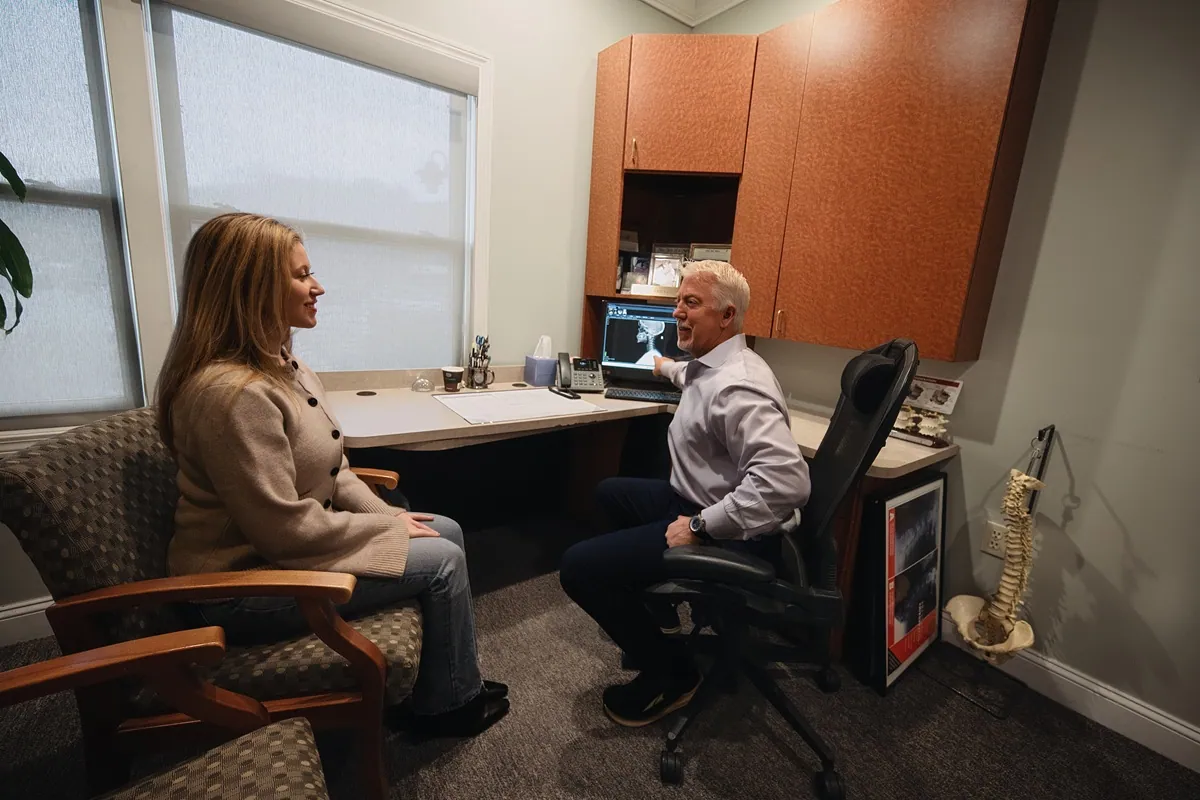
At Arsenault Family Chiropractic Center, one of the first things Dr. Mark Arsenault does is take a thorough history and perform a careful examination to identify the likely cause of a patient’s pain. Getting this right makes all the difference in how care is structured.
How Chiropractic Care Fits In
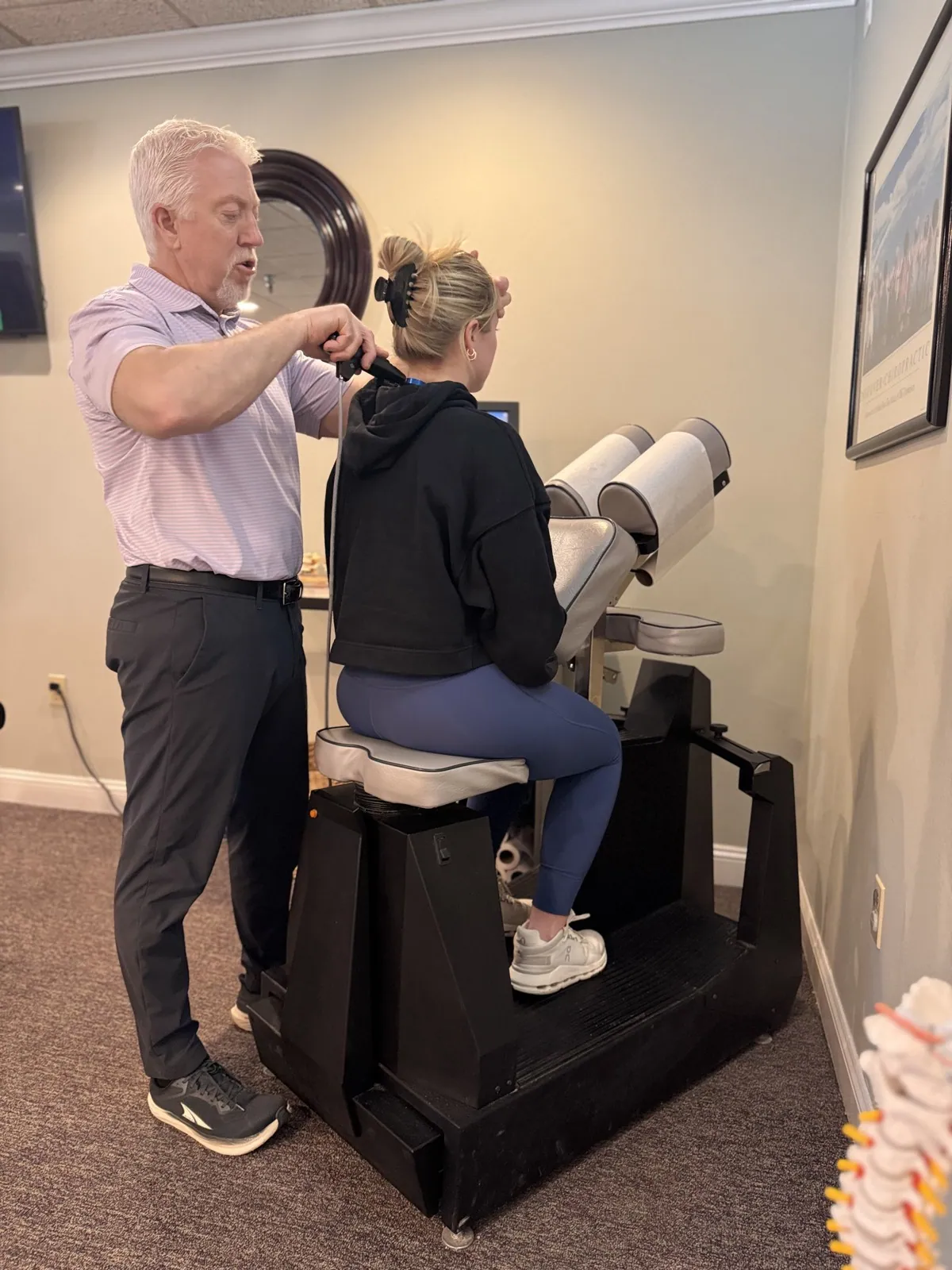
Chiropractic care is a conservative, non-invasive approach to treating both lower back pain and sciatica. The goal is to identify and address mechanical dysfunction in the spine that may be contributing to nerve irritation, muscle tension, or restricted movement — without relying on medication or surgery.
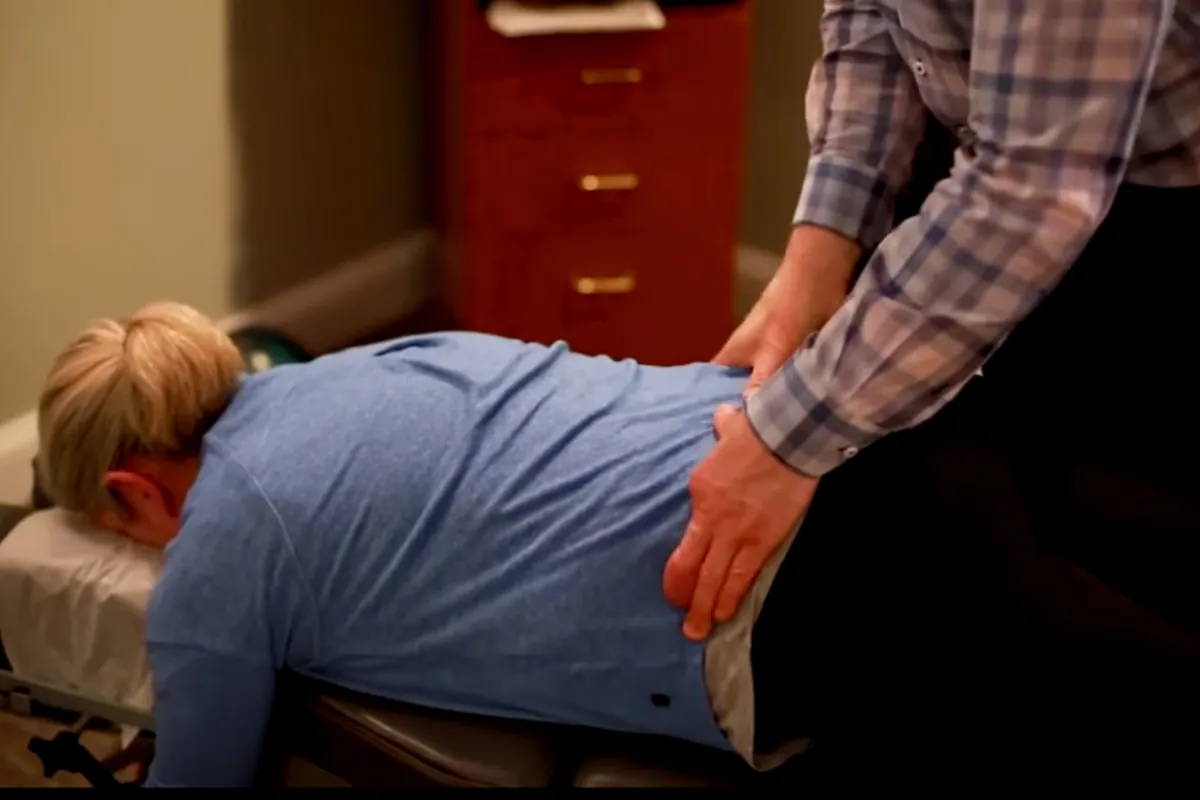
For lower back pain, chiropractic adjustments aim to restore proper alignment and motion to the lumbar vertebrae and surrounding joints. When the spine moves the way it’s designed to move, pressure on muscles and joints is more evenly distributed. Research published in respected journals like the Spine Journal and endorsed by organizations like the American College of Physicians suggests that spinal manipulation is one of the first-line, evidence-supported treatments for non-specific low back pain.
For sciatica, the approach may include lumbar adjustments to reduce nerve compression, soft tissue therapies to address muscle tightness around the sciatic nerve, and targeted rehabilitation exercises to support the spine and take pressure off the affected nerve root. Evidence from the NCCIH and other bodies indicates that chiropractic care can be a helpful part of managing sciatica — particularly when combined with patient education and lifestyle modifications.
At Arsenault Family Chiropractic Center in North Hampton, NH, care is always individualized. Dr. Mark Arsenault doesn’t use a cookie-cutter approach. Every patient receives an assessment that considers their specific symptoms, history, lifestyle, and goals. Whether someone is dealing with a recent muscle strain or months of sciatic nerve pain, the treatment plan is designed around what their body actually needs.
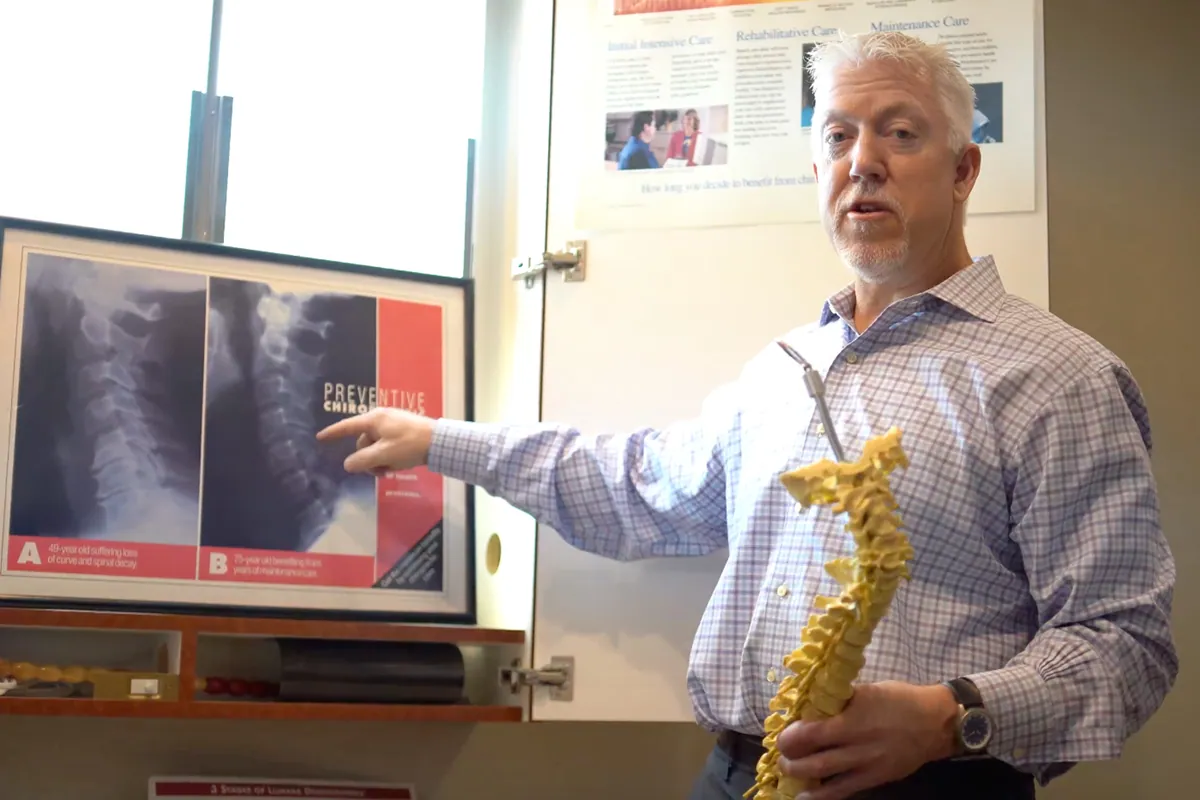
To get a better visual sense of how chiropractic care can address lower back and sciatic pain, take a look at this helpful video:
Practical Tips to Support Your Recovery
Regardless of whether you’re dealing with lower back pain or sciatica, there are several sensible habits that can support your spine health and complement professional care. These aren’t substitutes for evaluation, but they can make a meaningful difference day to day.
Movement matters more than most people think. While it might feel instinctive to lie down and rest when your back hurts, prolonged bed rest is generally not helpful and can even slow recovery. Gentle movement — walking, light stretching, and position changes throughout the day — helps maintain circulation to the discs and muscles of the lumbar spine. For sciatica specifically, certain positions (like lying on your back with knees slightly bent and elevated) can temporarily ease nerve pressure.
Pay attention to your sitting posture. Long periods of sitting place significant pressure on the lumbar discs. If you work at a desk, make sure your hips are at roughly a 90-degree angle, your feet are flat on the floor, and your screen is at eye level. Standing up and moving around briefly every 30 to 45 minutes can reduce cumulative spinal stress considerably.
Sleeping position can also play a role. Sleeping on your side with a pillow between your knees can help maintain spinal alignment and reduce nerve irritation. Sleeping flat on your stomach tends to strain the lumbar area and is worth avoiding if you’re currently dealing with either condition.
Finally, don’t underestimate the role of core strength. Your abdominal and back muscles act as a natural brace for your spine. When these muscles are weak, the lumbar vertebrae and discs have to absorb more mechanical stress. Gentle, low-impact core exercises — as recommended by your chiropractor — can help take the load off your spine over time.
When to See a Chiropractor
If your lower back pain has lasted more than a few days without improvement, or if it keeps returning every few weeks, that’s a signal worth paying attention to. Chronic or recurrent lower back pain often points to an underlying mechanical issue that gentle rest alone won’t resolve. Chiropractic evaluation can help identify what’s actually going on and provide a path forward.
For sciatica, it’s especially important not to wait too long. Persistent nerve compression can cause symptoms to worsen over time. If you’re experiencing radiating leg pain, tingling, or numbness, getting a proper assessment sooner rather than later is a wise choice.
There are some red flag symptoms that should prompt you to seek immediate medical care rather than chiropractic care as a first step. These include loss of bladder or bowel control, severe weakness in both legs, or pain following a significant trauma like a car accident or fall. These symptoms may indicate a serious condition that requires urgent medical attention. Dr. Mark Arsenault and the team at Arsenault Family Chiropractic Center always refer patients to the appropriate provider when their symptoms fall outside the scope of chiropractic care — your safety always comes first.
Feature | Lower Back Pain | Sciatica |
|---|---|---|
Location of Pain | Localized to the lower back | Radiates from back/buttock into leg |
Type of Sensation | Ache, stiffness, tightness | Burning, shooting, electric |
Neurological Symptoms | Rarely present | Often includes tingling or numbness |
Common Causes | Muscle strain, posture, disc degeneration | Herniated disc, stenosis, piriformis syndrome |
Sides Affected | Usually both sides or centrally | Usually one side at a time |
Chiropractic Relevance | Strong evidence for spinal manipulation | Supported as part of conservative care |
Myths vs. Facts About Sciatica and Lower Back Pain
Myth: Sciatica is just another name for lower back pain.
Fact: Sciatica and lower back pain are related but distinct. Sciatica specifically involves irritation or compression of the sciatic nerve and is characterized by pain that radiates down the leg. Lower back pain may not involve the sciatic nerve at all. Treating them as the same condition leads to ineffective care.
Myth: You should rest completely and avoid all movement when you have sciatica.
Fact: While extreme activity should be avoided during a flare-up, complete rest is not recommended. Gentle movement helps maintain circulation and can actually reduce nerve irritation over time. Evidence consistently shows that staying active — within comfortable limits — supports recovery better than prolonged bed rest.
Myth: Lower back pain always means something is seriously wrong with your spine.
Fact: Most lower back pain is mechanical in nature, meaning it involves muscles, joints, and soft tissues rather than structural damage. It’s uncomfortable and disruptive, but it is not always a sign of a serious underlying condition. A proper evaluation can help put your mind at ease and clarify the cause.
Myth: Chiropractic adjustments are dangerous for sciatica.
Fact: When performed by a qualified chiropractor following a thorough assessment, spinal adjustments for sciatica are considered safe for most patients. Chiropractic care is recognized by major health organizations as a reasonable conservative approach to managing lumbar-related nerve pain. As with any treatment, suitability is assessed on an individual basis.
Myth: Surgery is the only real fix for sciatica.
Fact: The majority of sciatica cases improve without surgery. Conservative approaches — including chiropractic care, physical rehabilitation, and lifestyle modification — are generally recommended as first-line treatments. Surgery is typically reserved for cases that do not respond to conservative care or when there is a serious neurological emergency.
Final Thoughts from Arsenault Family Chiropractic Center
Living with lower back pain or sciatica doesn’t have to be your normal. Both of these conditions are real, they’re painful, and they deserve proper attention — not just guesswork and hoping it goes away. Understanding the difference between the two is a meaningful first step, and it’s one we’re glad you’ve taken by reading this far.
Here in North Hampton, NH, Arsenault Family Chiropractic Center has been a trusted resource for the local community when it comes to spine health, nerve pain, and overall musculoskeletal wellness. Dr. Mark Arsenault brings a thorough, patient-centered approach to every visit — taking the time to listen, assess carefully, and explain things in a way that actually makes sense. You’ll never feel rushed or confused here.
Whether you’re just starting to notice something off with your lower back or you’ve been dealing with sciatic nerve pain for months, our doors are open. The North Hampton community deserves access to honest, effective, drug-free care — and that’s exactly what we’re here to provide.
Frequently Asked Questions
How do I know if my pain is sciatica or just a pulled muscle?
If your pain stays in your lower back and feels like a muscle ache or tightness, it’s more likely a muscle strain. If the pain travels from your back or buttock down into your leg — especially with tingling or burning — it’s more consistent with sciatica. A chiropractor can help distinguish between the two through a physical examination.
Can sciatica go away on its own?
Mild cases of sciatica sometimes do resolve on their own over several weeks. However, if symptoms are severe, worsening, or lasting longer than four to six weeks, professional evaluation is strongly recommended. Without addressing the underlying cause, sciatica can become a recurring problem.
Is it safe to exercise when I have lower back pain or sciatica?
In most cases, gentle movement and low-impact activity are beneficial and encouraged. Activities like walking, swimming, or specific stretching can help maintain spinal mobility and reduce inflammation. Always check with your chiropractor before beginning or resuming exercise if you’re in an active flare-up.
How many chiropractic visits does it take to feel better?
This varies significantly depending on the severity of the condition, how long it’s been present, and individual factors like age and overall health. Some patients notice meaningful improvement within a few visits; others with chronic issues may need a longer course of care. Dr. Mark Arsenault will outline realistic expectations based on your specific situation.
Can chiropractic care help prevent sciatica from coming back?
Ongoing chiropractic care, combined with exercise and posture habits, can help maintain spinal health and reduce the likelihood of recurrence. While no treatment can guarantee prevention, addressing the underlying mechanical factors that contributed to sciatica in the first place is a sound long-term strategy.
Do I need an X-ray or MRI before seeing a chiropractor for sciatica?
Not always. Dr. Mark Arsenault will conduct a thorough clinical evaluation and determine whether imaging is necessary based on your symptoms and history. In many straightforward cases, imaging is not required to begin conservative chiropractic care. If a more complex cause is suspected, appropriate referral will be made.
TL;DR
Lower back pain is localized to the lumbar region, while sciatica involves radiating pain along the sciatic nerve into the buttock and leg.
Sciatica is often caused by a herniated disc or nerve compression; lower back pain more commonly involves muscles, joints, or postural issues.
Both conditions respond well to chiropractic care as part of a conservative, non-invasive treatment approach.
Complete rest is not recommended — gentle movement generally supports recovery for both conditions.
If you’re in North Hampton, NH and dealing with either condition, Arsenault Family Chiropractic Center and Dr. Mark Arsenault are here to help you understand your pain and work toward lasting relief.

Mark Arsenault
Dr. Arsenault is a 1994 graduate of Palmer College of Chiropractic in Iowa, founded by the father of chiropractic himself, D.D. Palmer. Still amazed at how the body works as a whole, Dr. Arsenault focuses on treating your whole body so it can heal and function as it should.