When Knee Pain Becomes Chronic: Signs It’s Time to Get Help

Knee pain has a sneaky way of becoming part of your daily routine. It starts as a mild ache after a long walk, or a little stiffness when you climb the stairs in the morning. You tell yourself it will pass. But weeks go by, then months, and that nagging discomfort never quite goes away. If this sounds familiar, you’re not alone — and more importantly, you don’t have to keep living this way. Chronic knee pain is one of the most common complaints Dr. Mark Arsenault sees at Arsenault Family Chiropractic Center in North Hampton, NH, and understanding when it crosses from temporary to something worth addressing is the first step toward feeling better.
What Is Chronic Knee Pain?
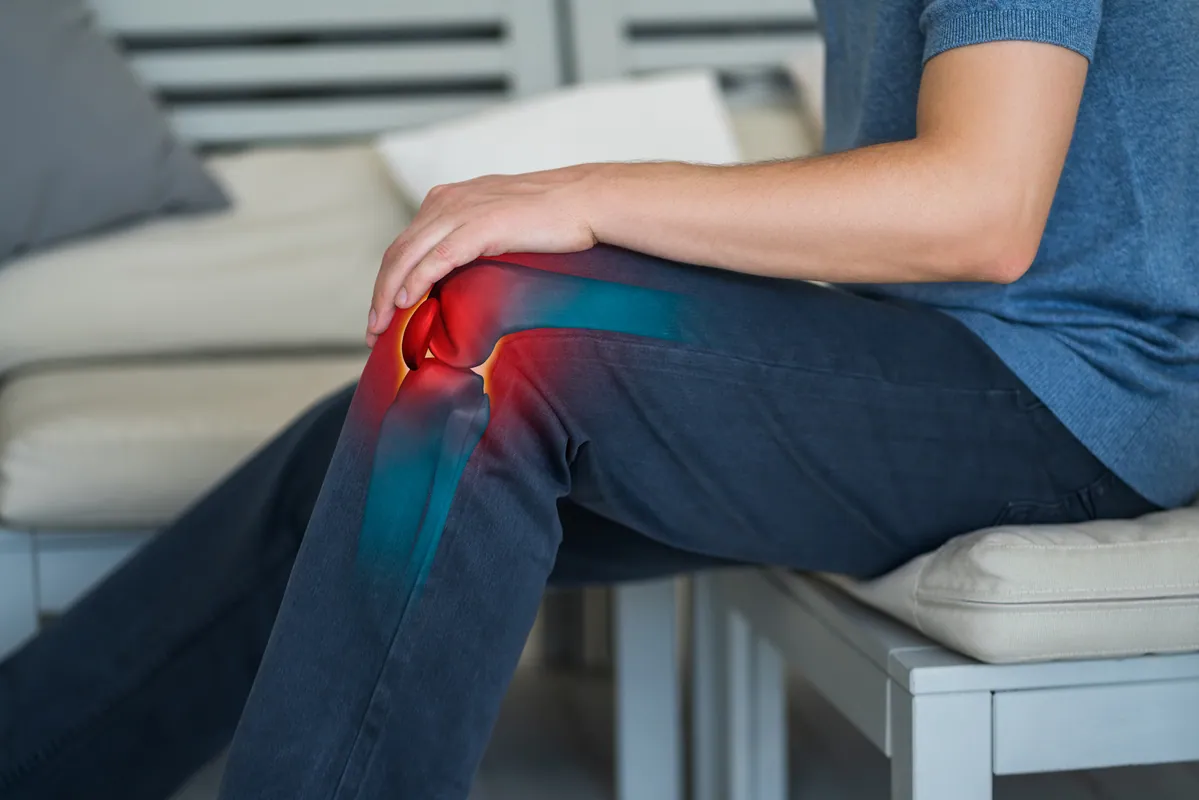
Chronic knee pain defined: Knee pain is generally considered chronic when it persists for three months or longer. Unlike acute knee pain — which results from a sudden injury and typically resolves with rest — chronic knee pain lingers, fluctuates, and tends to worsen over time without proper care.
It isn’t always severe. In fact, many people with chronic knee pain describe it as a dull, persistent ache that occasionally flares into something sharper. The key is the duration and the pattern — if your knee pain keeps coming back or never fully goes away, that’s your body signaling that something deeper needs attention.
Why Chronic Knee Pain Happens
The knee is the largest joint in the body, and it absorbs an enormous amount of stress every single day. Walking, standing, bending, climbing stairs — it all runs through the knee. Because of that, it’s vulnerable to a wide range of mechanical problems that can accumulate over time.
One of the most common culprits is poor joint mechanics. When the muscles around the knee — particularly the quadriceps, hamstrings, and hip stabilizers — are weak or imbalanced, the knee joint is forced to compensate. That compensation creates uneven stress on the cartilage, tendons, and ligaments, which eventually leads to inflammation and pain.
Misalignment in the hips, pelvis, or even the feet can also change the way force is distributed through the knee. Here in North Hampton, NH, many patients come into Arsenault Family Chiropractic Center having never considered that their flat feet or a tilted pelvis might be contributing to their knee trouble. The body works as a connected chain, and a problem at one link affects everything downstream.
Other common contributors to chronic knee pain include osteoarthritis (gradual breakdown of joint cartilage), repetitive stress from certain occupations or sports, previous injuries that weren’t fully rehabilitated, and long-term inflammation from lifestyle factors like sedentary habits or carrying extra body weight.
Signs Your Knee Pain Is Becoming Chronic
It can be hard to know when to take knee pain seriously. Here are some clear signals that what you’re experiencing has moved beyond a minor, temporary issue.
Pain that lasts more than three months. This is the clinical threshold for chronic pain, and it matters. If you’ve been dealing with knee discomfort for more than a few months — even if it’s mild — that timeline alone is a reason to seek evaluation.
Stiffness after periods of rest. If your knee is stiff every morning or locks up after sitting for a while, it’s a sign that the joint is not functioning optimally. Healthy joints should move freely after brief periods of inactivity.
Swelling that keeps coming back. Occasional, recurring swelling around the knee joint suggests ongoing inflammation. This is your body’s way of saying there is persistent irritation that isn’t resolving on its own.
Pain that disrupts your sleep or daily activities. When knee pain starts limiting how you move through life — avoiding stairs, skipping activities you love, waking up at night — it’s no longer a minor inconvenience. It’s affecting your quality of life.
Compensating with other parts of your body. Many people develop hip, lower back, or ankle pain as a secondary problem because they’ve been unconsciously shifting their weight to protect a painful knee. If you notice this pattern, it’s time to get a professional assessment.
Pain that keeps returning after brief periods of relief. A recurring cycle of flare-ups is a strong indicator that the underlying cause hasn’t been addressed. Rest and over-the-counter pain medication might quiet symptoms temporarily, but they don’t resolve the root problem.
How Chiropractic Care Fits Into Knee Pain Relief
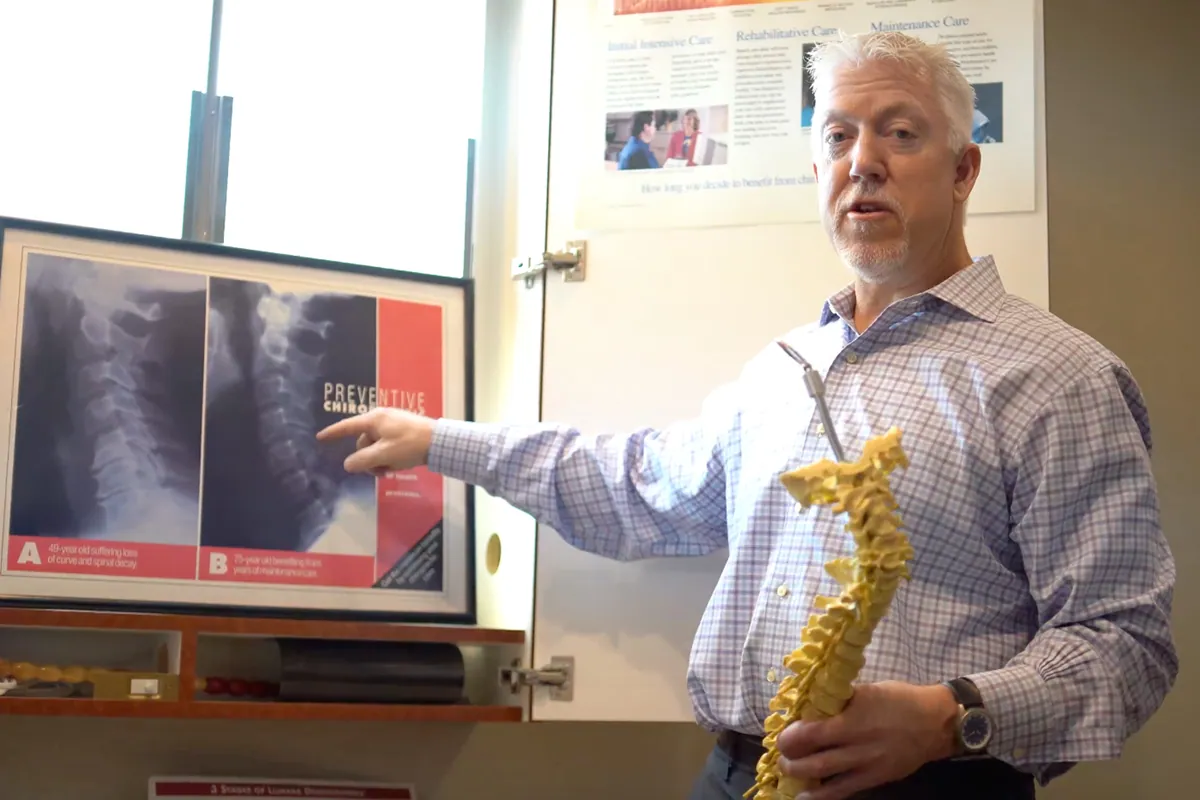
When most people think of chiropractic care, they think of back and neck adjustments. But chiropractic care takes a whole-body approach to musculoskeletal health — and that absolutely includes the knees. Dr. Mark Arsenault at Arsenault Family Chiropractic Center evaluates how the entire kinetic chain is functioning, not just the painful area in isolation.
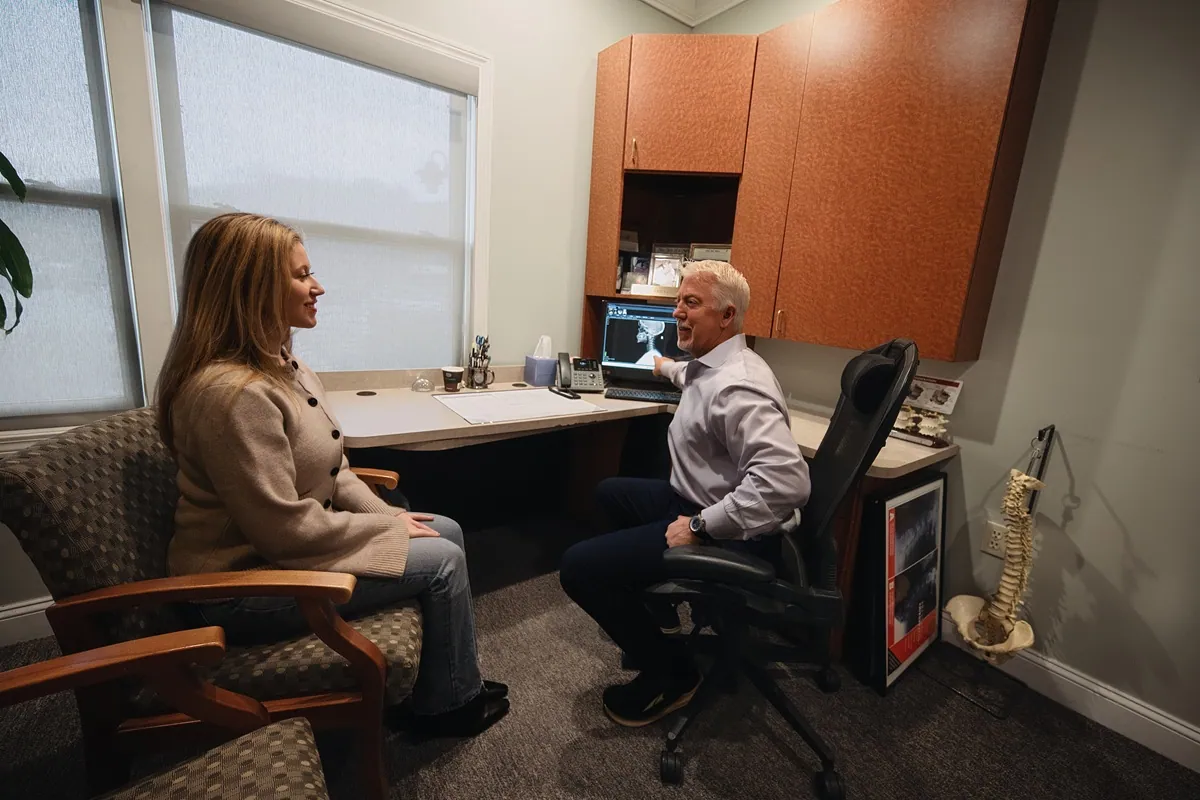
Chiropractic assessment for knee pain typically begins with understanding how you move. Dr. Mark Arsenault will look at your gait, your hip alignment, your foot mechanics, and your overall posture to identify where the underlying dysfunction is coming from. Knee pain is often a symptom of a problem elsewhere — and treating only the symptom rarely produces lasting results.
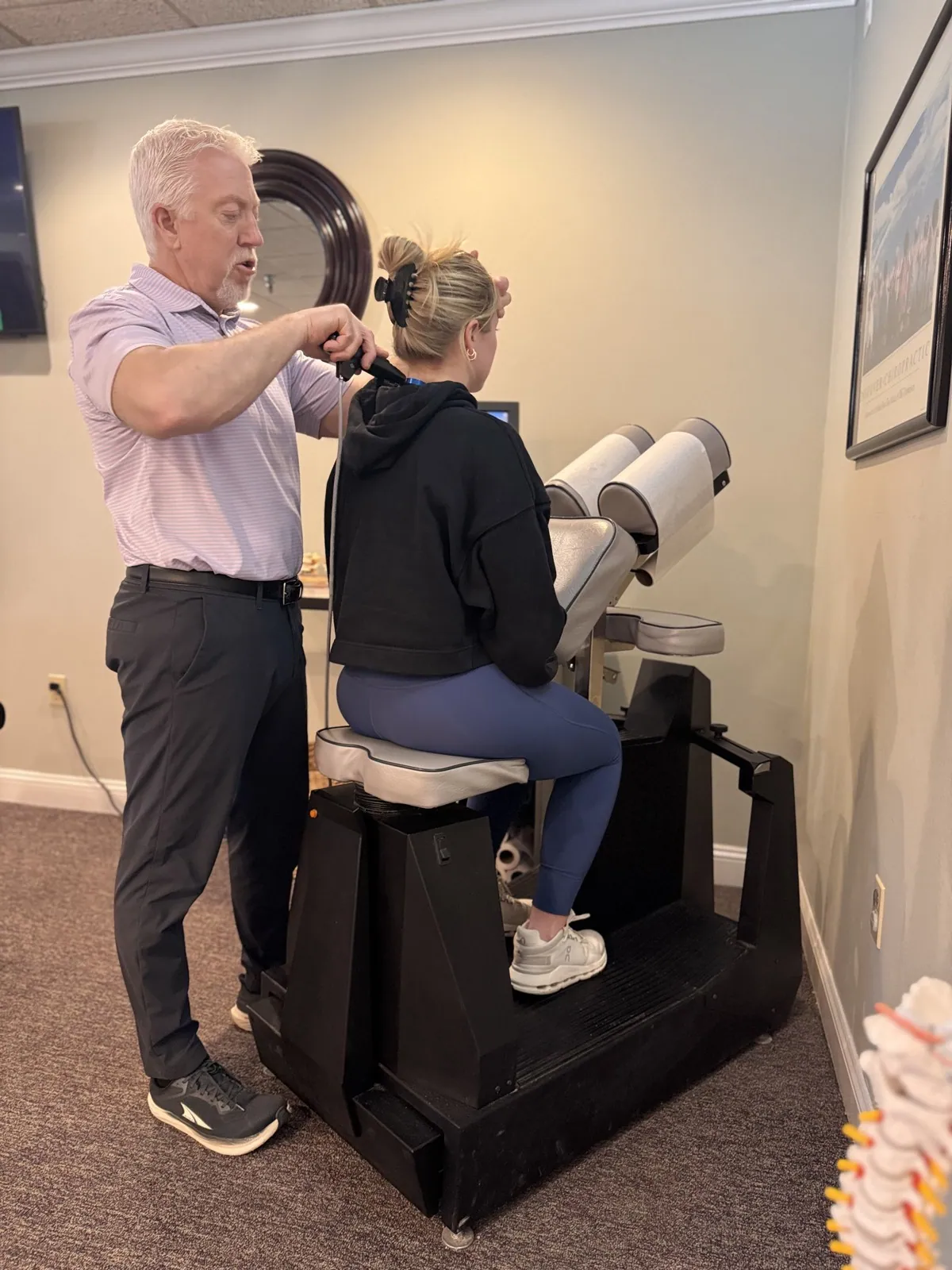
Chiropractic adjustments to the lumbar spine, pelvis, and hip joints can reduce mechanical stress on the knees by improving alignment and restoring normal movement patterns. When joints above and below the knee are moving properly, the knee itself is under less strain. Evidence from organizations like the American Chiropractic Association supports the role of conservative, manual care in managing musculoskeletal conditions like knee pain.
In addition to spinal and joint adjustments, care at Arsenault Family Chiropractic Center may incorporate soft tissue techniques, rehabilitative exercises to strengthen supporting muscles, and patient education on posture and movement habits. The goal is always to support the body’s natural ability to heal and function well — without relying on medication or surgery.
It’s worth noting that chiropractic care is not a cure for structural damage like advanced arthritis or torn ligaments. But it plays a meaningful role in improving function, reducing inflammation-related discomfort, and helping patients move more freely. Research suggests that conservative care approaches — including chiropractic — are often recommended as a first-line option before more invasive interventions are considered.
Practical Tips to Support Your Knee Health
While professional care is important, there are meaningful steps you can take on your own to support healthier knees and slow the progression of chronic pain.
Keep moving — gently. It might seem counterintuitive, but staying active is one of the most important things you can do for chronic knee pain. Low-impact activities like walking, swimming, and cycling keep the joint nourished and reduce stiffness. Prolonged rest often makes things worse, not better.
Strengthen the muscles around your knee. The quadriceps, hamstrings, and glutes are the primary supporters of the knee joint. Gentle, guided strengthening exercises for these muscle groups can significantly reduce the load on the joint itself. Dr. Mark Arsenault can help identify which exercises are appropriate for your specific situation.
Pay attention to your footwear. Worn-out shoes or footwear without adequate support can alter your biomechanics in ways that place extra stress on the knees. If you’re spending long hours on your feet here in North Hampton, NH, footwear matters more than most people realize.
Manage your weight where possible. Research consistently shows that excess body weight places significantly greater load on the knee joint. Even modest reductions in weight can have a meaningful impact on knee pain over time.
Avoid prolonged static positions. Sitting for long periods with the knees bent — especially on low chairs or couches — can increase stiffness and discomfort. If your job requires extended sitting, try to stand and move briefly every 30 to 45 minutes.
When to See a Chiropractor for Knee Pain
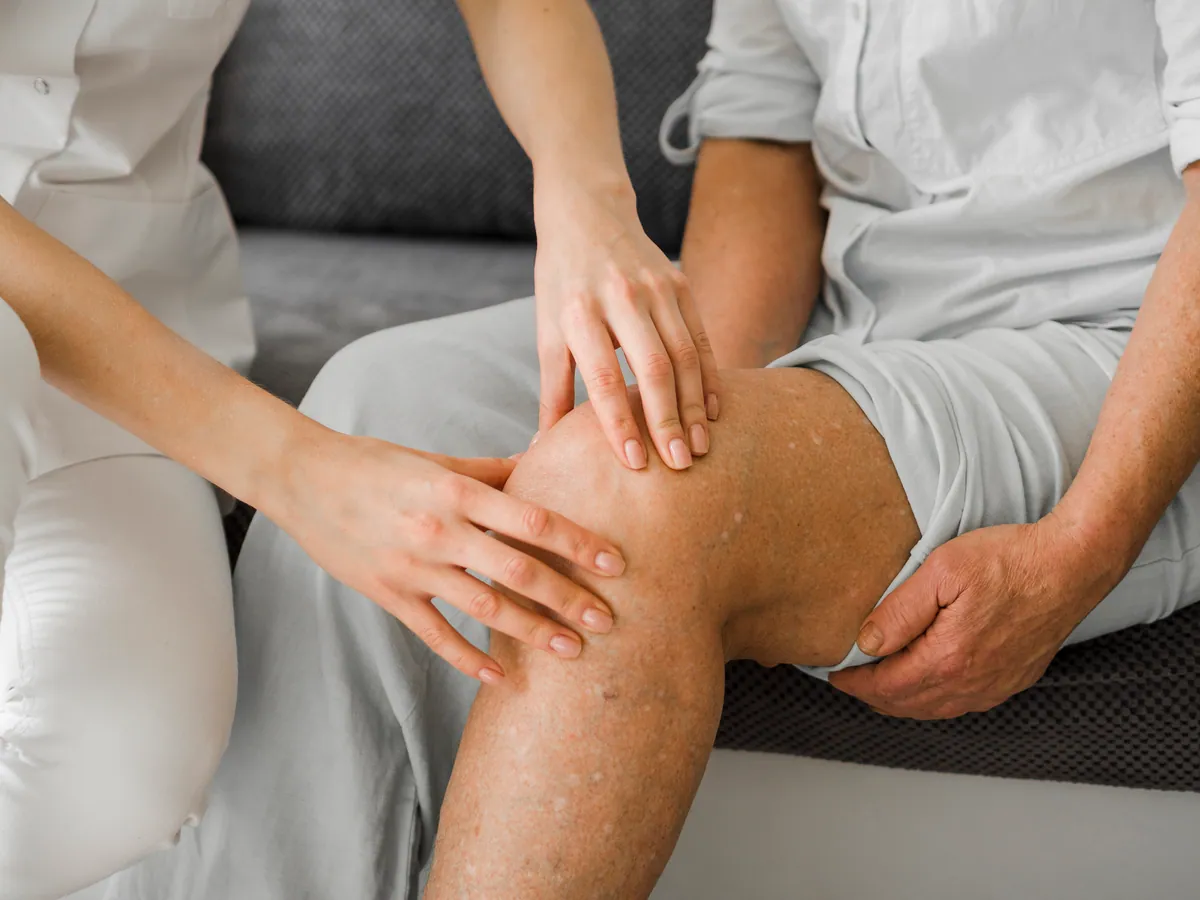
The right time to seek care is usually earlier than most people think. If your knee pain has been present for more than a few weeks and isn’t improving, that’s a reasonable time to get a professional opinion. Waiting for pain to become severe before seeking help often means more time is needed for recovery.
Specifically, consider reaching out to Arsenault Family Chiropractic Center in North Hampton if your knee pain is interfering with work or daily activities, if you’ve noticed swelling that comes and goes, if you’ve been compensating with other body parts, or if over-the-counter pain relievers are the only thing giving you temporary relief.
There are also situations where knee pain warrants immediate medical attention — not just chiropractic care. Seek emergency or urgent medical evaluation if you experience sudden, severe pain after a traumatic injury, significant swelling that develops rapidly, the knee gives out or feels completely unstable, you cannot bear any weight on the leg, or there are signs of infection such as warmth, redness, and fever. Dr. Mark Arsenault and the team at Arsenault Family Chiropractic Center will always refer patients to the appropriate provider when a condition falls outside the scope of conservative chiropractic care.
Acute vs. Chronic Knee Pain: Key Differences
|
Feature |
Acute Knee Pain |
Chronic Knee Pain |
|---|---|---|
Duration |
Days to weeks (under 3 months) |
3 months or longer |
Common Cause |
Sudden injury, trauma, or overexertion |
Biomechanical dysfunction, arthritis, or unresolved acute injury |
Pain Pattern |
Sharp, intense, localized |
Dull, recurring, variable intensity |
Swelling |
Often present immediately after injury |
May come and go over time |
Response to Rest |
Usually improves significantly with rest |
May improve temporarily but returns |
Recommended Action |
Rest, ice, and prompt evaluation if severe |
Professional evaluation and conservative care |
Myths vs. Facts About Chronic Knee Pain
Myth: Knee pain is just a normal part of aging that you have to live with.
Fact: While the risk of knee problems does increase with age, pain is not an inevitable or unavoidable part of getting older. Many older adults live with healthy, functional knees. Chronic knee pain — at any age — often has a treatable underlying cause, and conservative care can make a meaningful difference in how you feel and move.
Myth: If you rest long enough, chronic knee pain will go away on its own.
Fact: Rest can help with acute injuries, but chronic knee pain that has persisted for months rarely resolves with rest alone. Without addressing the underlying mechanical or structural issue, the pain tends to return. In many cases, extended inactivity can actually worsen the situation by weakening the surrounding muscles further.
Myth: Chiropractic care is only for the spine and back — it can’t help knees.
Fact: Chiropractors are trained in musculoskeletal health throughout the entire body. Addressing misalignments in the hips, pelvis, and lumbar spine can have a direct positive effect on knee mechanics. Many patients at Arsenault Family Chiropractic Center in North Hampton, NH have experienced improvement in knee pain through whole-body chiropractic care.
Myth: Surgery is the only real solution for chronic knee pain.
Fact: Conservative care — including chiropractic, physical rehabilitation, and lifestyle modifications — is widely recommended as a first-line approach before surgical options are considered. Many patients avoid surgery altogether by addressing their knee pain through non-invasive methods early on.
Myth: If the pain isn’t constant, it isn’t serious enough to treat.
Fact: Intermittent or fluctuating pain doesn’t mean the underlying problem is minor. Chronic conditions often have good days and bad days. The pattern of recurring pain — even if some days feel manageable — still warrants professional evaluation to prevent further deterioration.
Final Thoughts from Arsenault Family Chiropractic Center
Living with chronic knee pain is exhausting. It changes the way you walk, the activities you participate in, and even how you sleep. But it doesn’t have to be permanent. The key is getting an accurate picture of what’s driving your pain and addressing it with a thoughtful, whole-body approach — rather than just masking the symptoms.
At Arsenault Family Chiropractic Center, Dr. Mark Arsenault is committed to helping patients throughout North Hampton, NH and the surrounding Seacoast community understand what’s happening in their bodies and find a path forward that makes sense for their individual situation. Whether you’re dealing with early-stage knee discomfort or have been managing chronic pain for years, a conversation about your options is always a valuable starting point.
You deserve to move through your days without being held back by persistent knee pain. If you’ve been waiting for a sign that it’s time to get help — consider this it. Reaching out to a chiropractor near you is a low-risk, non-invasive first step that could make a significant difference in your long-term joint health and quality of life.
Frequently Asked Questions About Chronic Knee Pain
Can a chiropractor actually help with knee pain?
Yes — chiropractors evaluate and treat musculoskeletal conditions throughout the body, not just the spine. By assessing alignment in the hips, pelvis, and lower extremities, a chiropractor can identify mechanical contributors to knee pain and provide care that supports better joint function. Dr. Mark Arsenault at Arsenault Family Chiropractic Center takes this whole-body approach with every patient.
How long does chronic knee pain typically take to improve with conservative care?
The timeline varies depending on the underlying cause, how long the pain has been present, and how consistently care and rehabilitation are followed. Some patients notice meaningful improvement within a few weeks of beginning care, while others with more complex or long-standing conditions may need several months. A thorough initial assessment helps set realistic expectations.
Is it safe to exercise when I have chronic knee pain?
In most cases, yes — with appropriate guidance. Low-impact movement like walking, swimming, and specific strengthening exercises are generally safe and beneficial. The important thing is to understand which movements aggravate your specific condition and which ones support healing. Working with a healthcare provider ensures you’re exercising in a way that helps rather than harms.
What’s the difference between knee pain from arthritis and knee pain from a mechanical problem?
Arthritis-related knee pain is typically associated with cartilage breakdown and tends to be more consistent, often worsening with weight-bearing activity and improving slightly with gentle movement after warmup. Mechanically-driven knee pain is often more closely tied to specific movements or positions and is heavily influenced by alignment and muscle function. Both types can benefit from conservative care, though the approach may differ.
Should I use ice or heat for chronic knee pain?
Generally, ice is most helpful for acute inflammation or swelling — such as after activity causes a flare-up. Heat can be soothing for chronic stiffness and muscle tension. Many patients find alternating between the two helpful, but it’s best to get specific guidance from your chiropractor based on what’s driving your pain.
When does knee pain require surgery?
Surgery is typically considered when conservative treatments have been tried thoroughly and the pain or functional limitation remains severe, or when there is significant structural damage such as a complete ligament tear or advanced joint degeneration. Most medical guidelines recommend exhausting non-surgical options first. Dr. Mark Arsenault will always refer patients for further evaluation when surgical consultation is appropriate.
TL;DR
-
Chronic knee pain is defined as pain lasting three months or longer — and it often signals an underlying mechanical or structural issue that won’t resolve on its own.
-
Common signs it’s becoming chronic include recurring swelling, morning stiffness, pain that disrupts daily life, and compensating with other body parts.
-
Chiropractic care addresses whole-body alignment and biomechanics, which can reduce mechanical stress on the knee and support better joint function.
-
Practical steps like low-impact exercise, appropriate footwear, and muscle strengthening can support recovery alongside professional care.
-
If your knee pain has lasted more than a few weeks and isn’t improving, reaching out to a chiropractor like Dr. Mark Arsenault at Arsenault Family Chiropractic Center in North Hampton, NH is a smart, low-risk next step.

Mark Arsenault
Dr. Arsenault is a 1994 graduate of Palmer College of Chiropractic in Iowa, founded by the father of chiropractic himself, D.D. Palmer. Still amazed at how the body works as a whole, Dr. Arsenault focuses on treating your whole body so it can heal and function as it should.