What “Feeling Off” Means When Nothing Is Technically Wrong
Have you ever woken up feeling like something just isn’t right — even though you can’t quite put your finger on it? You’re not in sharp pain, your doctor ran the tests and everything came back normal, but you still feel off. Maybe it’s a subtle tension in your shoulders, a foggy head, low energy, or just a vague sense that your body isn’t operating the way it should. If this sounds familiar, you are not alone — and more importantly, you are not imagining it.
Here in North Hampton, NH, many patients come through the doors of Arsenault Family Chiropractic Center describing exactly this kind of experience. Dr. Mark Arsenault hears it regularly: “I just feel off, but nothing is technically wrong.” What’s interesting is that this feeling often has a real, physical explanation — one that conventional testing doesn’t always pick up. Understanding what your body might be trying to tell you is the first step toward feeling genuinely well again.
So, what does “feeling off” actually mean?
“Feeling off” is a term people use to describe a general sense of being out of balance — not sick enough to be diagnosed, but not truly well either. It can include subtle physical symptoms like tension, fatigue, poor sleep, or reduced mental clarity, often without a clear medical cause. In chiropractic philosophy, this state frequently reflects underlying dysfunction in the musculoskeletal system and nervous system that hasn’t yet become a full-blown condition.
Your Nervous System and That “Off” Feeling
To understand why you might feel off without a clear diagnosis, it helps to understand the role of the nervous system. Your spine houses and protects your spinal cord, which is the communication superhighway between your brain and every organ, muscle, and tissue in your body. When the vertebrae in your spine are properly aligned and moving well, signals travel clearly and efficiently. When they’re not — even subtly — those signals can be disrupted.
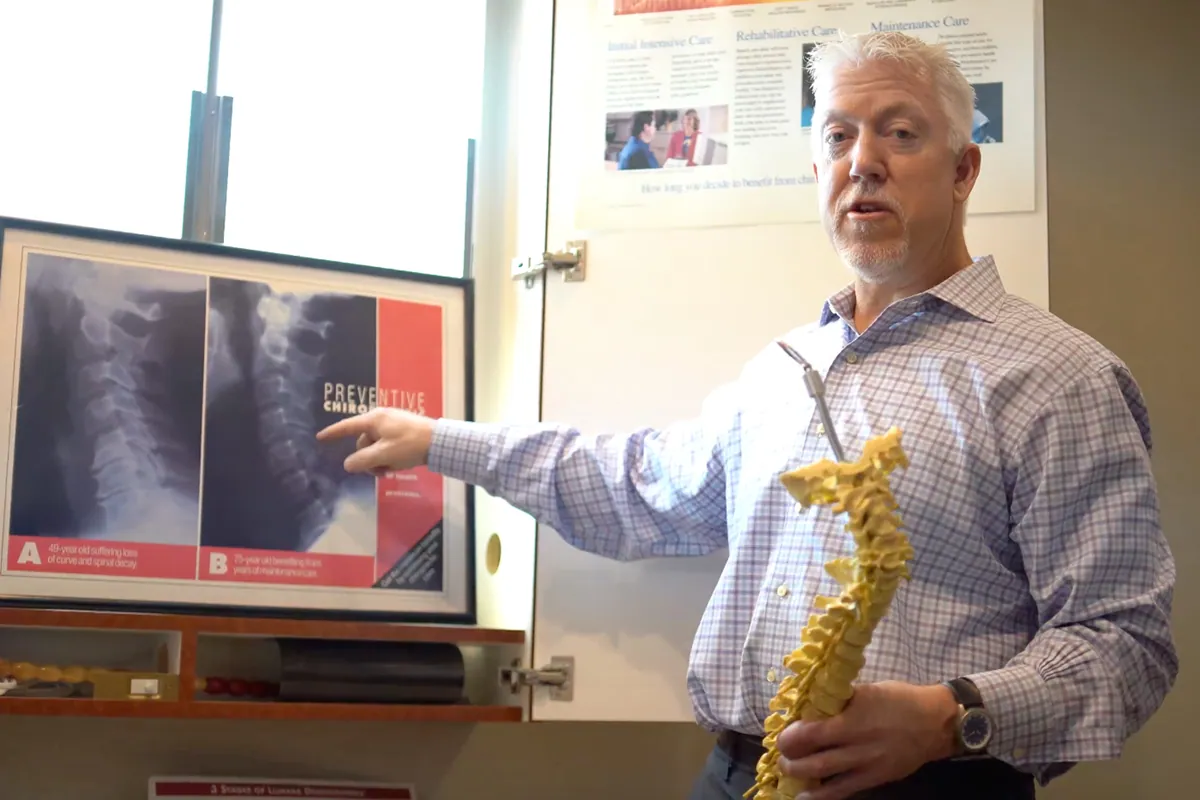
Chiropractors refer to areas of restricted or altered spinal motion as subluxations. These are not dramatic injuries. They’re often minor misalignments or movement restrictions that develop quietly over time through everyday stressors — poor posture, prolonged sitting, repetitive movements, old injuries, even emotional tension. The nervous system impact of these changes can be surprisingly broad, influencing everything from energy levels to sleep quality to how clearly you think.
This is why someone can feel genuinely unwell without having anything “technically wrong” on a blood panel or imaging scan. The issue isn’t always structural damage — it’s functional disruption. Your body is working harder than it should to maintain balance, and that effort shows up as that vague, hard-to-name feeling of being off.
Common Contributors to Feeling Off
There are several everyday patterns that Dr. Mark Arsenault sees contributing to this kind of low-grade, hard-to-diagnose discomfort in patients throughout the North Hampton area. Understanding them can help you connect the dots between your habits and how you feel.
Prolonged sitting is one of the most significant modern contributors. Whether you’re working at a desk, driving long distances, or spending evenings on the couch, extended sitting compresses the lumbar spine, tightens the hip flexors, and encourages a forward head posture. Over time, these changes alter the mechanics of the spine and place steady, chronic stress on surrounding muscles and nerves — even when it doesn’t feel obviously painful.
Accumulated physical stress from old injuries is another major factor. A car accident from five years ago, an ankle sprain from your twenties, a season of playing sports in a way that overloaded one side of the body — the body often compensates for these old events in ways we don’t notice until years later. Those compensations become patterns, and patterns become tension, fatigue, and that elusive “off” feeling.
Emotional and psychological stress plays a role as well. The body holds tension. When we are anxious, overwhelmed, or chronically stressed, we often carry it physically — raised shoulders, a clenched jaw, a tight upper back. The nervous system doesn’t cleanly separate mental stress from physical stress. They influence each other constantly.
Signs Your Body Is Sending You a Message
When something is subtly off in the spine or nervous system, the body communicates through patterns that are easy to dismiss individually but meaningful when seen together. You might notice that you feel stiff when you first get out of bed, even though you slept a full night. You might find that you’re tired in the afternoon no matter how much sleep you get. Your focus might feel scattered, or your mood might be lower than expected without a clear reason.
Tension headaches are another common signal. Many people assume headaches are just part of life — stress-related or dehydration-driven. But frequent tension headaches often originate from tightness and restricted motion in the upper cervical spine and neck muscles. Similarly, a sense of tightness or achiness across the shoulders and upper back that never quite resolves, even after stretching or massage, may point to an underlying mechanical issue worth evaluating.
Disrupted sleep is also frequently tied to musculoskeletal tension. If your body is carrying unresolved physical stress, it can have difficulty fully relaxing into restorative sleep cycles. Poor sleep then compounds fatigue, cognitive fog, and emotional sensitivity — creating a cycle that makes the “feeling off” state feel increasingly normal, even when it isn’t.
How Chiropractic Care Fits In
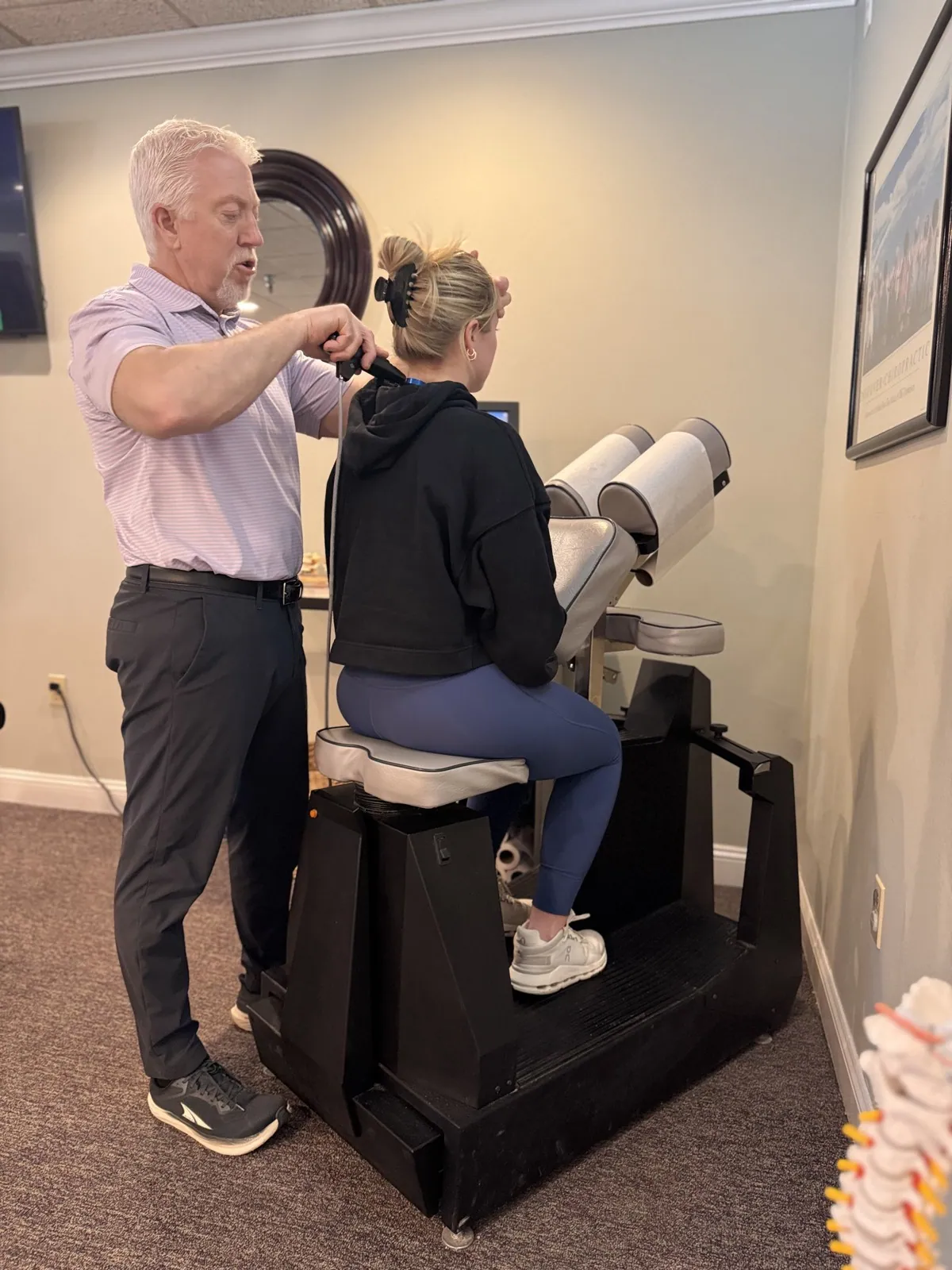
Chiropractic care offers a non-invasive, drug-free approach to addressing the kind of functional imbalances that contribute to feeling off. At Arsenault Family Chiropractic Center, Dr. Mark Arsenault takes time to thoroughly assess how the spine is moving, where motion is restricted, and how those restrictions may be influencing the nervous system and surrounding soft tissues.
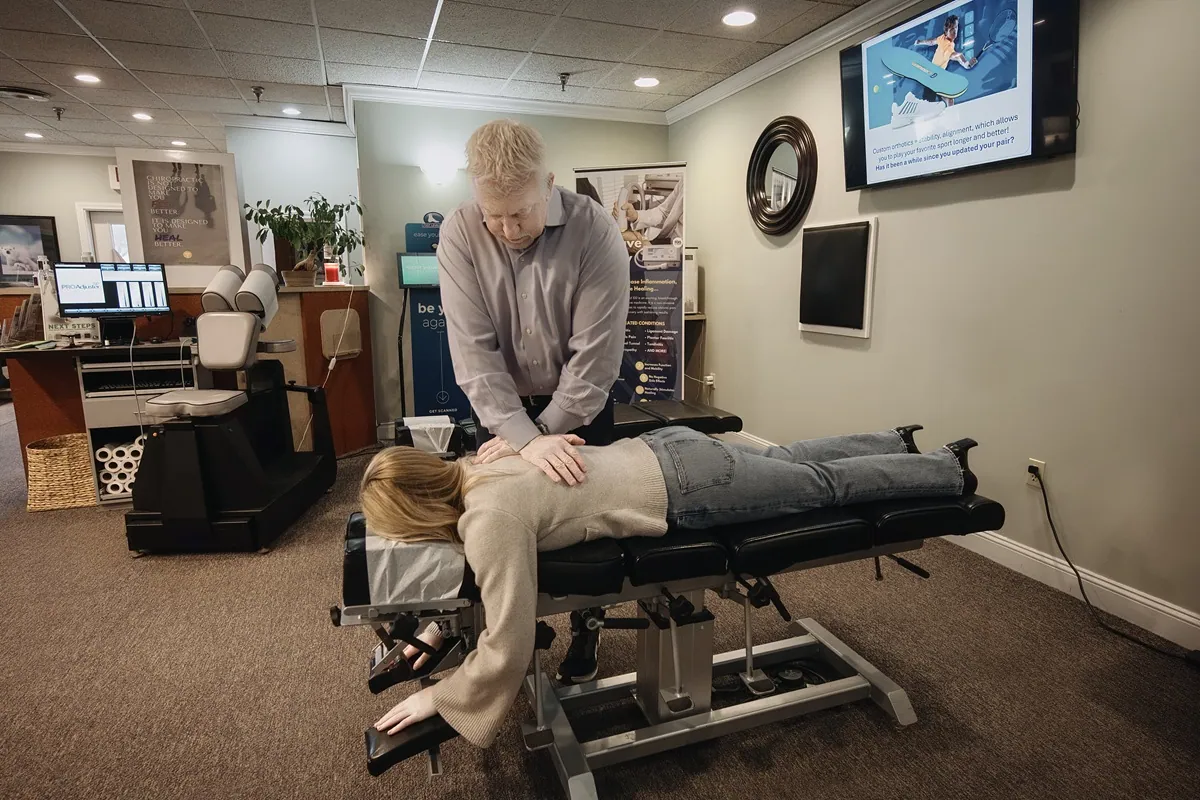
Chiropractic adjustments — also called spinal manipulation — are gentle, targeted movements applied to specific spinal segments to restore normal motion and alignment. Evidence from organizations like the American Chiropractic Association and research published in journals like Spine indicates that chiropractic care can be effective for improving musculoskeletal function and reducing associated discomfort. For people who feel off without a clear diagnosis, care often begins with improved spinal mobility, reduced muscle tension, and gradually better sleep and energy levels.
What makes chiropractic uniquely suited to the “nothing is technically wrong” experience is that it doesn’t require a disease label to be helpful. The focus is on how the body is functioning — not just whether a specific pathology is present. Dr. Mark Arsenault approaches each patient as an individual, recognizing that the same vague symptoms can have different root causes in different people. A thorough evaluation guides a personalized care plan designed around where your body specifically needs support.
Chiropractic care also pairs well with other wellness habits. It’s not meant to replace healthy movement, good nutrition, or stress management — it’s a complement to those efforts, addressing the structural and neurological dimensions of well-being that other approaches don’t directly target.
Practical Tips to Support Your Body Daily
While professional evaluation is the most important step when you’ve been feeling off for an extended period, there are supportive habits you can build into your daily routine that align with good musculoskeletal and nervous system health.
Movement breaks are essential if you spend most of your day sitting. Setting a timer to stand, stretch, and walk for even two to three minutes every hour can meaningfully reduce spinal compression and improve circulation. The spine is designed for movement — not for sustained, static postures.
Pay attention to your sleep setup. A supportive mattress and pillow that keep your neck and spine in a neutral position reduce the physical stress your body has to recover from overnight. Sleeping on your back or side is generally better for spinal alignment than sleeping on your stomach, which forces the neck into prolonged rotation.
Hydration matters more than most people realize. The intervertebral discs that cushion each spinal segment are largely made of water. When you’re chronically dehydrated, even mildly, those discs lose height and resilience, affecting the mechanics of the spine. Drinking consistent water throughout the day — not just when thirsty — supports spinal disc health over time.
Mindful breathing and brief stress reduction practices — whether that’s a short walk, five minutes of slow breathing, or time spent in nature — help shift the nervous system out of a chronically heightened state. Here in North Hampton, NH, we’re fortunate to have coastline, trails, and natural spaces that make this easier to access than in more urban settings. Use them.
When to See a Chiropractor
If you’ve been feeling off for more than a couple of weeks — especially if the feeling is accompanied by persistent tension, disrupted sleep, recurring headaches, or fatigue that doesn’t resolve with rest — it’s a reasonable time to seek evaluation. You don’t need to be in acute pain to benefit from chiropractic care. In fact, addressing functional imbalances early tends to produce better and faster results than waiting until symptoms escalate.
There are, however, certain symptoms that warrant prompt medical attention before pursuing chiropractic care. If you’re experiencing numbness or tingling down an arm or leg, severe or worsening headaches, unexplained weight loss, fever accompanying back pain, loss of bladder or bowel control, or chest pain, please see a medical doctor or visit urgent care. These can be signs of more serious conditions that need medical evaluation first. A good chiropractor will always refer out when appropriate — and Dr. Mark Arsenault takes that responsibility seriously at Arsenault Family Chiropractic Center.
Feeling Off vs. Feeling Well: What’s the Difference?
Area of Experience |
Feeling Off |
Feeling Well |
|---|---|---|
|
Energy |
Persistent fatigue, afternoon crashes, low motivation |
Consistent, stable energy throughout the day |
|
Sleep |
Restless, waking up tired, difficulty relaxing |
Falling asleep easily, waking refreshed |
|
Physical Tension |
Chronic shoulder, neck, or back tightness |
Muscles feel relaxed and mobile |
|
Mental Clarity |
Brain fog, scattered focus, forgetfulness |
Clear thinking, present, and focused |
|
Mood |
Irritable, flat, or anxious without clear reason |
Emotionally balanced and resilient |
|
Headaches |
Frequent tension headaches, pressure in neck/head |
Rarely or never experiences headaches |
Myths vs. Facts About Feeling Off
Myth: If nothing showed up on my tests, nothing is actually wrong.
Fact: Standard medical testing is excellent at identifying disease, structural damage, and biochemical abnormalities — but it doesn’t measure how well the spine is moving, how balanced muscle tension is, or how efficiently the nervous system is functioning. Functional imbalances are real and can significantly affect quality of life without appearing on blood work or imaging.
Myth: Feeling off is just stress — there’s nothing a chiropractor can do about that.
Fact: Stress has physical expression in the body. Muscular tension, altered breathing patterns, restricted spinal motion — these are the physical manifestations of chronic stress. Chiropractic care addresses those physical components, which can have a meaningful effect on how burdened the body feels overall.
Myth: You have to be in serious pain to see a chiropractor.
Fact: Chiropractic care is not only for acute pain. Many patients seek care for preventive and wellness reasons — to maintain good spinal function, reduce low-grade tension, and support overall well-being. Waiting for pain to become severe often means more work to recover from.
Myth: The “feeling off” sensation will go away on its own if you just get more sleep or exercise.
Fact: While sleep and exercise are important, they don’t correct underlying spinal restrictions or nervous system imbalances. Some people do feel better with lifestyle improvements alone, but if the root mechanical cause isn’t addressed, the cycle often continues — especially when the original trigger (posture, old injury, compensation patterns) remains unchanged.
Myth: Chiropractic adjustments are only for the back.
Fact: The spine houses the nervous system, which communicates with the entire body. While chiropractors do focus on the spine, the systemic influence of that work extends well beyond back pain. Many patients report improvements in sleep, energy, headaches, and overall sense of well-being alongside improvements in physical discomfort.
Final Thoughts from Arsenault Family Chiropractic Center
If you’ve been carrying that vague “something isn’t right” feeling and haven’t gotten clear answers elsewhere, please know that what you’re experiencing is both real and worth investigating. The body communicates through symptoms long before things become serious — and that subtle, persistent sense of being off is worth listening to, not dismissing.
At Arsenault Family Chiropractic Center in North Hampton, NH, Dr. Mark Arsenault is committed to helping members of this community understand what’s happening in their bodies and find a path toward feeling genuinely well. The care here is thorough, individualized, and grounded in a deep respect for how the body works as an integrated whole. Whether you’re dealing with tension headaches, fatigue, poor sleep, or just that elusive feeling you can’t quite name, a conversation and evaluation are always a good place to start.
You don’t have to feel this way. And you don’t have to figure it out alone.
Frequently Asked Questions
Can a chiropractor help if I feel off but I’m not in pain?
Yes. Chiropractic care addresses musculoskeletal and nervous system function — not just pain. Many patients seek care specifically for low-grade symptoms like fatigue, tension, and poor sleep without significant pain. A thorough evaluation helps identify what’s contributing to how you feel.
How long does it take to feel better after starting chiropractic care?
This varies widely depending on how long symptoms have been present, the individual’s overall health, and the specific nature of the underlying issues. Some patients notice improvements within a few visits; others require more time as the body relearns healthier patterns. Dr. Mark Arsenault will give you a realistic sense of what to expect based on your evaluation.
Is feeling off related to my posture?
Very often, yes. Prolonged poor posture creates muscular imbalances, restricts spinal motion, and puts the nervous system under chronic low-grade stress. These postural habits are among the most common contributors to the vague, hard-to-name symptoms many people experience day to day.
What happens during a chiropractic evaluation for these kinds of symptoms?
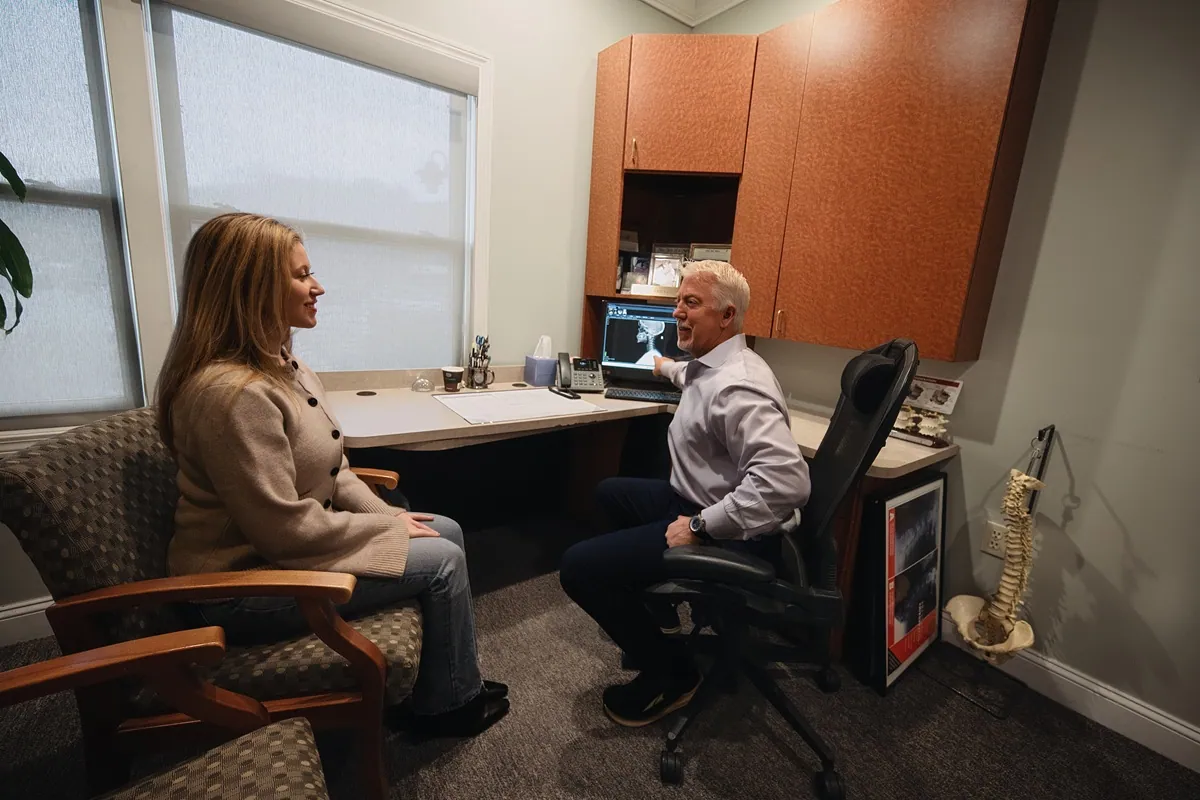
A thorough evaluation typically includes a health history review, postural assessment, spinal motion analysis, and orthopedic or neurological tests where appropriate. The goal is to build a clear picture of how your spine and nervous system are functioning — not just to look for injury or disease.
Can children or older adults experience “feeling off” for these same reasons?
Absolutely. Spinal function and nervous system efficiency matter across every age group. Children can develop postural imbalances from heavy backpacks, screen time habits, and sports. Older adults often accumulate decades of compensatory patterns. Chiropractic care is adapted to be appropriate and safe for different ages and physical conditions.
Should I see my medical doctor first before visiting a chiropractor?
It’s generally a good idea to have serious symptoms evaluated by a medical doctor to rule out underlying conditions. If you’ve already done that and everything came back normal, that’s often when chiropractic evaluation becomes especially valuable — addressing the functional and mechanical factors conventional testing doesn’t assess.
TL;DR
-
“Feeling off” — persistent fatigue, tension, brain fog, or low energy without a clear diagnosis — is a real and common experience that often reflects subtle dysfunction in the spine and nervous system.
-
Common contributors include prolonged sitting, accumulated physical stress from old injuries, poor posture, and chronic emotional stress.
-
Standard medical testing doesn’t measure spinal motion, nervous system efficiency, or musculoskeletal balance — which is why chiropractic evaluation can provide answers conventional testing doesn’t.
-
Chiropractic care is a non-invasive, drug-free approach that addresses the functional imbalances behind these vague symptoms — no diagnosis required to benefit.
-
If you’ve been feeling off and live in or near North Hampton, NH, a chiropractic evaluation at Arsenault Family Chiropractic Center with Dr. Mark Arsenault is a practical, low-risk starting point for understanding what your body is trying to tell you.

Mark Arsenault
Dr. Arsenault is a 1994 graduate of Palmer College of Chiropractic in Iowa, founded by the father of chiropractic himself, D.D. Palmer. Still amazed at how the body works as a whole, Dr. Arsenault focuses on treating your whole body so it can heal and function as it should.