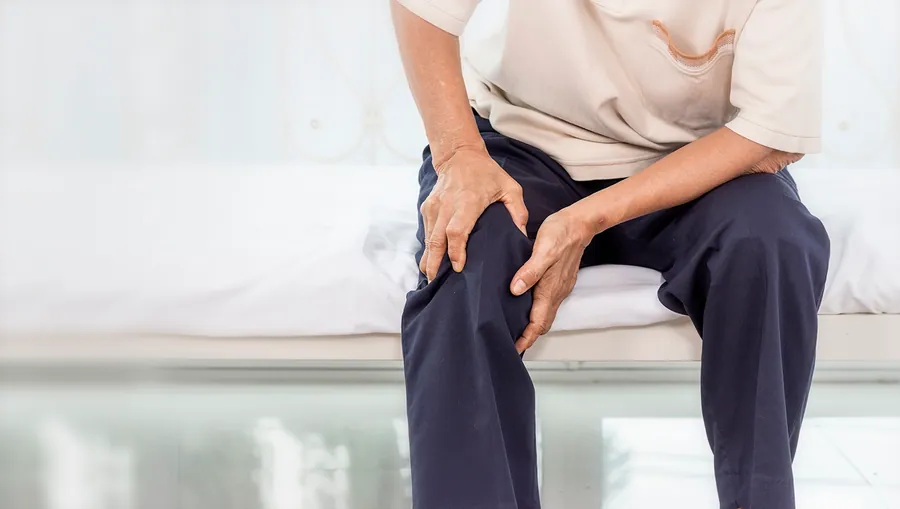
Do your legs feel heavy, tired, or tingly when you walk or stand for a while, then feel better once you sit down or lean forward on a shopping cart? That pattern is a common sign of spinal stenosis, a narrowing of the spaces in the spine where the nerves travel. It usually develops slowly, most often in people over 50, and it can make everyday activities like walking the dog or standing in line harder than they should be.
Our chiropractic team in North Hampton offers gentle, non-surgical care that may help ease pressure in the spine, improve mobility, and help you stay on your feet longer. Book a visit to find out whether our approach is a good fit for you.
Relief Without Surgery
Gentle, non-surgical care that may help ease the back and leg symptoms caused by a narrowed spinal canal.
Move With More Comfort
Care focused on spinal motion, flexibility, and strength so you can walk and stand with less discomfort.
Thorough Evaluation
A careful exam, and X-rays when needed, to understand your spine and know when a referral is the right call.
Spinal stenosis can quietly shrink your world, one shorter walk at a time. Gentle care, the right exercises, and a clear plan may help you get more of your day back.
Spinal Stenosis Treatment in the North Hampton Area
Many people with spinal stenosis feel better with a combination of gentle chiropractic care, spinal decompression, and exercises that help open up the spine. We tailor every plan to your exam findings, your health history, and your goals. Book an appointment now to schedule a time with our team.
Your spinal cord and nerve roots run through a canal formed by the bones of the spine, and the nerves exit through small openings on each side. Spinal stenosis means one or more of these spaces has become narrower than normal. When there is less room, the nerves can become irritated or squeezed, which can cause pain, numbness, or weakness.
Stenosis most often develops in the lower back (lumbar stenosis) and the neck (cervical stenosis). In most adults, it is the result of gradual changes such as disc degeneration, thickened ligaments, and bone spurs from spinal arthritis.
Common Symptoms of Spinal Stenosis
Pain, cramping, heaviness, or tingling in the buttocks or legs when standing or walking
Relief when sitting down or bending forward
Low back pain or stiffness
Numbness or weakness in the legs or feet
When the neck is involved, pain or tingling that travels into the shoulders, arms, or hands
Stenosis can also cause sciatica-like pain that runs down the back of the leg. Seek emergency medical care right away if you have loss of bladder or bowel control, numbness in the groin or inner thighs, or leg weakness that is quickly getting worse.
What Causes Spinal Stenosis?
Age-related wear of the discs and joints of the spine
Bone spurs from osteoarthritis
Thickening of the ligaments inside the spinal canal
A naturally narrow spinal canal that some people are born with
How Chiropractic Care May Help
Chiropractic care cannot widen the spinal canal, but many people with mild to moderate stenosis find their symptoms are more manageable with conservative, non-surgical care. Our goal is to reduce irritation, improve how your spine moves, and help you build strength and endurance for walking and standing. Care at our North Hampton office may include:
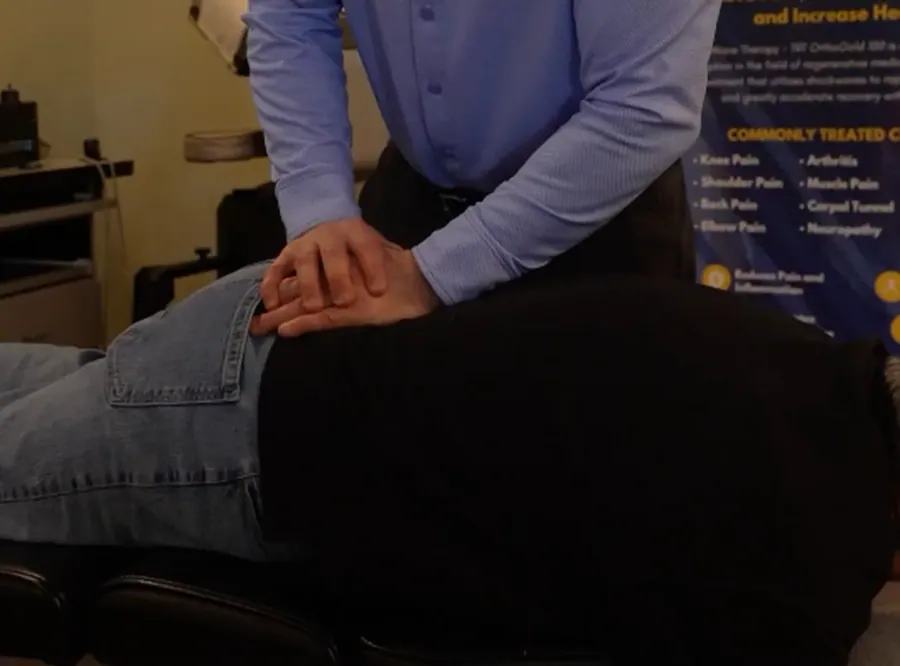
Gentle, low-force adjustments, including the instrument-assisted ProAdjuster, to improve motion in stiff areas of the spine and hips.
Spinal decompression, a slow, gentle stretch of the spine that may help ease pressure in the lower back.
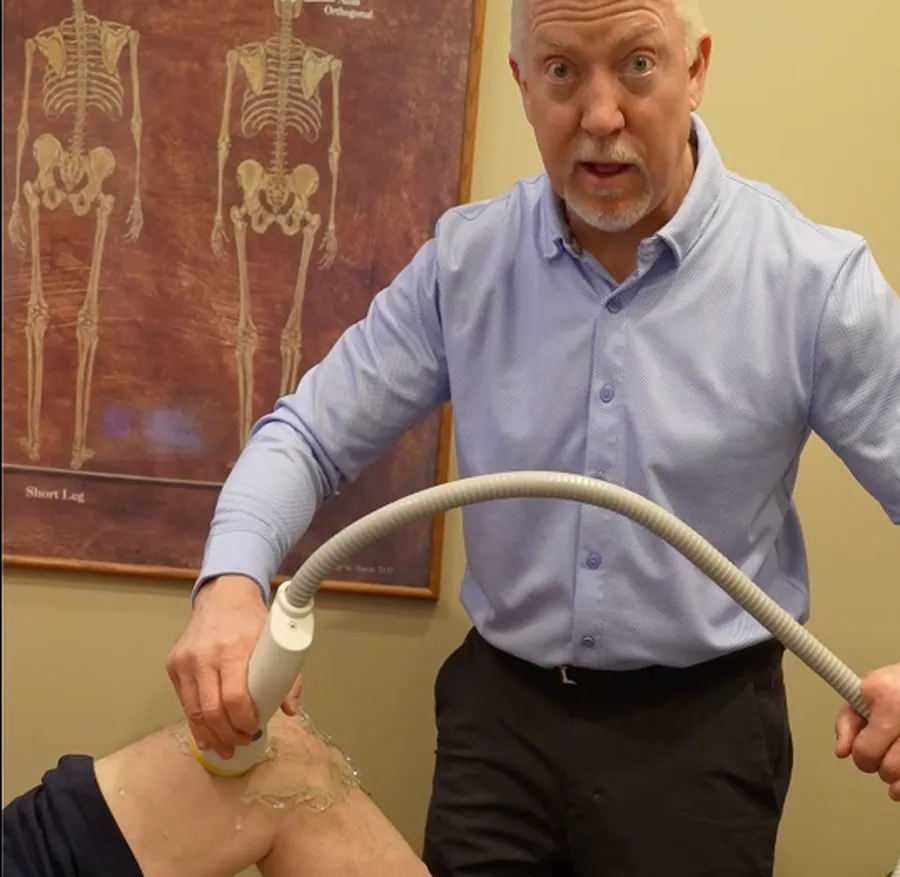
SoftWave and laser therapy to help calm pain in the surrounding muscles and tissues.
Stretching and strengthening exercises, often ones that bend the spine slightly forward, to make more room for the nerves, support your core, and help you walk farther with less discomfort.
Posture coaching for standing, sitting, and sleeping positions that take pressure off your lower back.
We begin with a careful exam and, when needed, X-rays. If your symptoms point to severe nerve compression, we will refer you to the right specialist and are happy to work alongside your medical team.
Spinal Stenosis Treatment in North Hampton
Dr. Mark Arsenault and Dr. Corey Kneeland help patients in North Hampton and the surrounding Seacoast area manage the back and leg symptoms of spinal stenosis with gentle, non-surgical care. If walking, standing, or sleeping has become harder, we would be glad to help.
Spinal stenosis is a narrowing of the spaces in the spine where the spinal cord and nerves travel. It can cause back pain along with pain, tingling, or heaviness in the legs. At Arsenault Family Chiropractic Center in North Hampton, NH, we offer gentle, non-surgical care for patients with stenosis.
Why does spinal stenosis hurt more when I walk?
Standing upright and walking slightly narrow the spaces in the lower spine, which can put more pressure on the nerves. Sitting or leaning forward opens those spaces back up, which is why many people feel relief when they sit down or lean on a shopping cart.
Can a chiropractor help with spinal stenosis?
Chiropractic care cannot change the size of the spinal canal, but it may help reduce pain, improve mobility, and help you walk and stand longer. Dr. Mark Arsenault and Dr. Corey Kneeland use gentle adjustments, spinal decompression, and exercises as part of a personalized plan.
Is spinal decompression right for spinal stenosis?
It can be a helpful option for some patients, but not for everyone. We complete a thorough exam and review your health history before recommending decompression, and we will tell you if another approach or a referral makes more sense.
When is spinal stenosis an emergency?
Seek emergency medical care right away if you have loss of bladder or bowel control, numbness in the groin or inner thighs, or leg weakness that is quickly getting worse. These can be signs of serious nerve compression.