Have you been told you have degenerative disc disease? The name sounds alarming, but it is a very common finding, especially as we get older. Over time, the discs that cushion the bones of your spine can dry out, thin, and lose some of their spring. For some people that brings stiffness, a nagging ache in the low back or neck, or pain that flares after sitting, bending, or lifting.
The good news is that you have options beyond simply living with it. Our chiropractic team in North Hampton focuses on gentle, non-surgical care that may help ease pressure on irritated discs, improve how your spine moves, and keep you doing the things you enjoy. Book a visit and let us take a closer look at what is going on.
Gentle Spinal Care
Low-force adjustments and spinal decompression designed to ease pressure on worn discs without surgery or medication.
A Plan Built for You
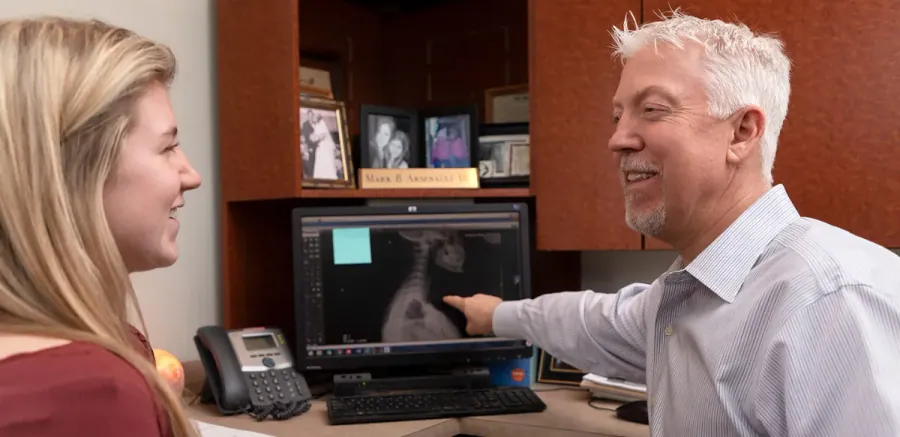
We look at your exam, your history, and X-rays when needed, then build a care plan around your spine and your goals.
Stay Active Longer
Exercises, posture tips, and supportive care that may help you keep moving comfortably as your spine ages.
Chiropractic Care for Degenerative Discs
Disc changes are a normal part of aging, but pain and stiffness do not have to run your life. Gentle, non-surgical care may help you move more freely and get back to your daily routine.
Degenerative Disc Treatment in the North Hampton Area
Many patients with degenerative disc disease find meaningful relief with a combination of gentle chiropractic care, spinal decompression, and simple at-home exercises. Every spine is different, so we start with a thorough exam and recommend only what makes sense for you. Book an appointment now to schedule a time with our team.
Between each of the bones in your spine sits a disc, a tough outer ring with a soft, gel-like center. These discs act as shock absorbers and let your spine bend and twist. Degenerative disc disease (DDD) is the term used when one or more of those discs begins to wear down. Despite the name, it is not really a disease, and it does not always get worse. It describes age-related changes that many adults have, often without any symptoms at all.
When a disc loses height and water content, the space between the vertebrae can narrow. The surrounding joints, ligaments, and muscles then take on more of the load, which can lead to stiffness, inflammation, and pain. Degenerative changes are most common in the lower back and the neck, the parts of the spine that move the most.
Common Symptoms
Degenerative disc disease looks different from person to person. Some of the most common symptoms include:
A dull, ongoing ache in the lower back or neck
Pain that gets worse with sitting, bending, or lifting
Pain that eases when you walk, change positions, or lie down
Stiffness, especially first thing in the morning
Flare-ups that come and go over days or weeks
Pain, tingling, or numbness that travels into the buttock, leg, or arm if a nearby nerve is irritated
Seek emergency medical care right away if you have loss of bladder or bowel control, numbness in the groin or inner thighs, or leg weakness that is quickly getting worse.
What Causes Discs to Degenerate?
Age is the biggest factor, but it is not the only one. Things that can speed up disc wear include:
Past back or neck injuries
Years of heavy lifting or repetitive bending
Long hours of sitting with poor posture
Smoking, which reduces blood flow to the discs
Extra body weight that adds load to the spine
Family history
A worn disc is more likely to bulge or tear. If you have been told you have a bulging or herniated disc, our page on disc injuries explains how we approach those as well.
How Chiropractic Care May Help
No one can reverse the aging of a disc, and we will never promise that. What chiropractic care aims to do is reduce the stress on the affected area, improve how the spine moves, and calm the muscles and joints that are working overtime. At our North Hampton office, care for degenerative disc disease may include:
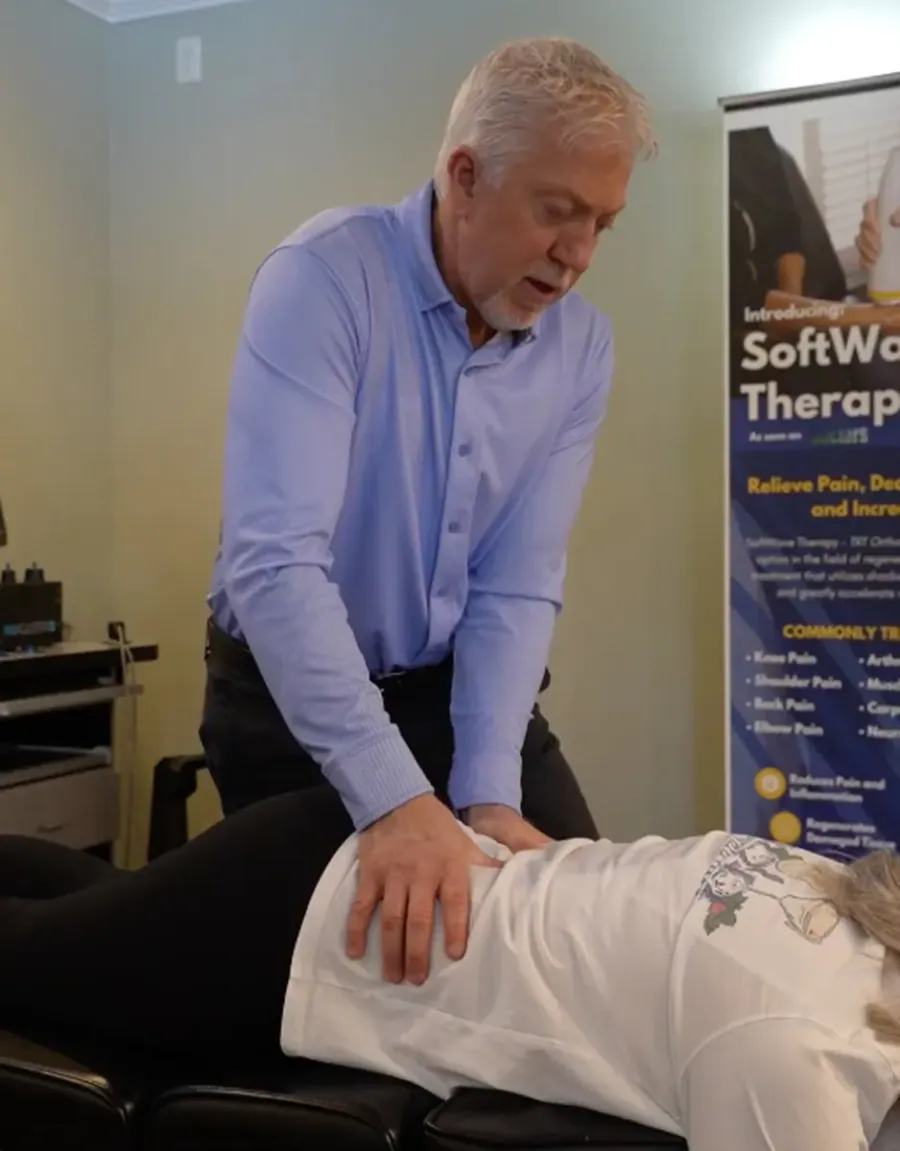
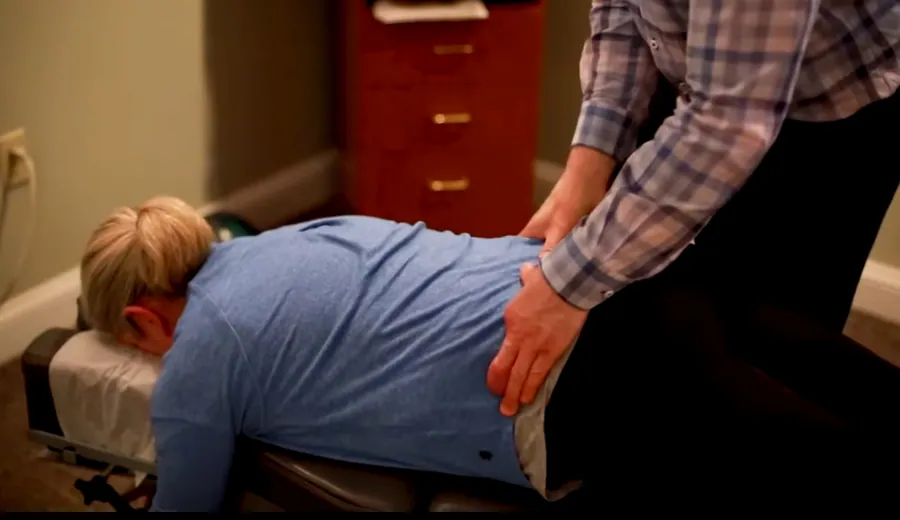
Gentle chiropractic adjustments using low-force methods, including the instrument-assisted ProAdjuster, to improve motion in stiff areas of the spine.
Spinal decompression, a slow, gentle stretch of the spine that may help reduce pressure on the discs and nearby nerves.
Exercises and posture coaching to strengthen the muscles that support your spine and build habits that protect it at work and at home.
Your plan depends on your exam, your history, and in some cases X-rays. If we find something that needs another provider’s attention, we will tell you and help you find the right referral.
Degenerative Disc Disease Treatment in North Hampton
Dr. Mark Arsenault and Dr. Corey Kneeland help patients from North Hampton and the surrounding Seacoast communities manage disc-related back and neck pain with gentle, non-surgical care. If disc wear is keeping you from work, exercise, or a good night’s sleep, we would be glad to help you explore your options.
Degenerative disc disease is the gradual wear of the discs that cushion the bones of the spine. As the discs lose water and height, the spine can become stiff and sore. At Arsenault Family Chiropractic Center in North Hampton, NH, we help patients manage these changes with gentle, non-surgical care.
Can chiropractic care help degenerative disc disease?
Chiropractic care cannot reverse disc wear, but it may help reduce pain, improve spinal motion, and ease pressure on irritated areas. Dr. Mark Arsenault and Dr. Corey Kneeland use gentle adjustments, spinal decompression, and exercises to help patients in North Hampton stay active.
Is spinal decompression safe for degenerative discs?
For many patients, spinal decompression is a gentle and comfortable option. It is not right for everyone, so we complete a thorough exam first and recommend it only when it fits your condition and health history.
Does degenerative disc disease always get worse?
No. Disc changes are a normal part of aging, and many people have them without pain. Staying active, keeping a healthy weight, and practicing good posture may help you stay comfortable over time.
When should I see a doctor right away?
Seek emergency care if you have loss of bladder or bowel control, numbness in the groin or inner thighs, or leg weakness that is getting worse. These can be signs of serious nerve compression that needs immediate medical attention.